The glazing and window installation sector has fundamentally transformed. We are operating in an era defined by aggressive thermal efficiency mandates, strict Part L building regulations, and a consumer base that is highly educated about U-values, solar gain, and acoustic attenuation. In 2026, homeowners and commercial property developers are not simply looking for "cheap windows." They are searching for engineered fenestration solutions that guarantee long-term thermal performance and airtight security.
If your digital presence is built on a legacy framework that loads slowly, lacks structured data, and fails to explicitly prove your technical competence, you are actively driving high-value installation and repair contracts to your competitors. Google's core algorithms now relentlessly enforce the EEAT framework: Experience, Expertise, Authoritativeness, and Trustworthiness.
In the highly regulated glazing industry, EEAT is not just an SEO buzzword; it is a mathematical requirement for search visibility. Drawing from two decades of specialized full-stack engineering and search architecture, this is the comprehensive, step-by-step blueprint for developing high-performance websites for window installers that dominate local search grids, validate your technical competence, and secure premium tenders.
Step 1: Architecting Proof of First-Hand Experience (The First E)
Google's inclusion of "Experience" in its quality rater guidelines targets businesses that use generic stock imagery and thin content. For a glazing contractor or repair specialist, claiming you can install a complex bi-fold system or repair thermal fractures means nothing unless you can mathematically prove to the algorithm that you have done it.
Your web architecture must systematically document your physical presence on installation sites.
Geographically Anchored Fenestration Hubs: We move completely away from standard, static gallery pages. Instead, we architect dynamic project hubs. When your team completes a high-end architectural glazing installation or a complex residential window repair, we inject the EXIF data, timestamps, and precise geographical coordinates directly into the HTML source code.
High-Fidelity Visual Proof: Glazing is inherently reflective and visually complex. Compressed, pixelated images ruin the presentation of your products. However, loading massive, uncompressed high-resolution images of your installations will destroy your Core Web Vitals, causing severe Largest Contentful Paint (LCP) failures.
Decoupled Asset Pipelines: To solve this conflict, we deploy headless web architecture. Your front-end interface is decoupled from the heavy backend database. When a user requests a case study, our edge-computed asset pipeline intercepts the heavy imagery, instantly compiles it into next-generation formats like AVIF, and serves it from a global edge network. This allows you to showcase stunning, uncompressed proof of your installation experience while maintaining instantaneous, sub-second load times.
Step 2: Structuring Deep Technical Expertise (The Second E)
Expertise is mathematically evaluated by the depth, semantic richness, and technical accuracy of your domain's content. A single service page titled "Windows and Doors" demonstrates zero technical expertise and will be ignored by modern search algorithms.
To capture lucrative, high-intent traffic, your site architecture must be built upon highly granular, technically specific service silos.
Thermal and Acoustic Silos: We engineer dedicated architectural branches for specific glazing technologies. A silo dedicated to "Acoustic Glazing Upgrades" must explicitly detail the sound reduction index (Rw), the use of polyvinyl butyral (PVB) interlayers, and asymmetrical glass pane thicknesses. A silo for "Blown Double Glazing Repair" must detail the desiccant breakdown process and the exact methodology for restoring thermal integrity without replacing the entire frame.
Security Standard Injection: When targeting high-end residential work, security is paramount. Your structural content must deeply integrate terms like PAS 24 compliance, Document Q building regulations, and multi-point locking mechanisms. This semantic richness signals profound niche expertise to the crawling algorithms.
Dynamic FAQ Schema: Homeowners have highly specific technical questions regarding condensation, trickle vent regulations, and argon gas fills. We architect localized FAQ sections that answer these questions with precise technical accuracy, wrapping the entire module in strict JSON-LD FAQ schema to trigger prominent visibility in Google's AI Overviews.
Step 3: Verifying Authoritativeness in the Built Environment (The A)
Authoritativeness measures your standing within the glazing industry. Are you a recognized, compliant entity, or an unverified pop-up business? The algorithm cross-references your claims with broader web data to establish your authority.
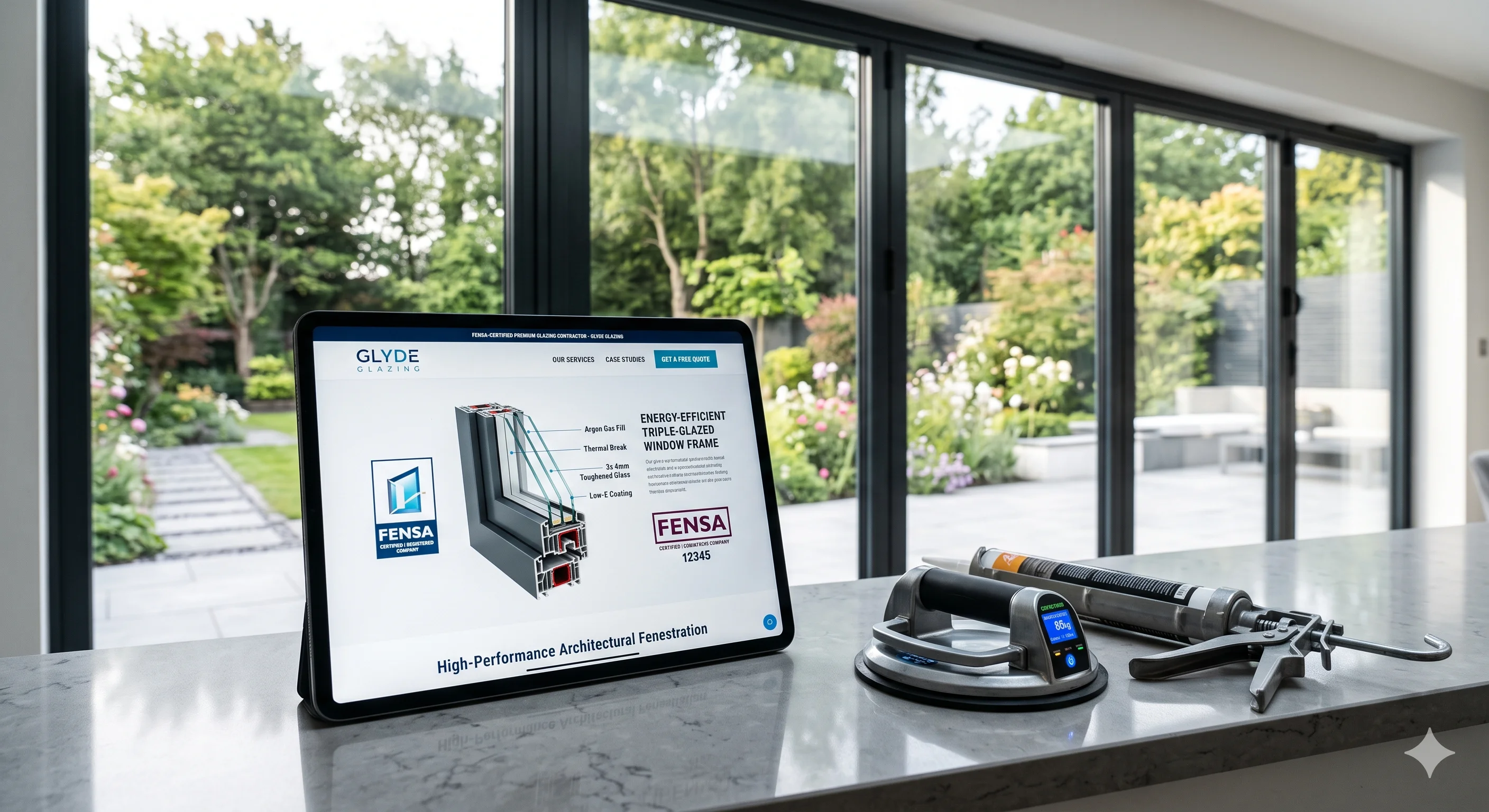
Regulatory Entity Mapping: In the UK window sector, certifications are everything. We utilize advanced structured data to explicitly define your industry credentials to the search engine. If you are FENSA registered, CERTASS certified, or a member of the DGCOS (Double Glazing and Conservatory Ombudsman Scheme), we inject this data directly into your Organization schema.
Author and Installer Architecture: The master glazier or business owner must be established as a verified digital entity. We build comprehensive Author profiles that link outward to verified LinkedIn profiles, trade organization registries, and physical business directories, establishing a verifiable footprint of industry authority.
Strategic Internal Linking: We pass this established authority through your domain using strict contextual linking. Your highly authoritative FENSA-backed guarantee pages are mathematically linked to your localized service pages, ensuring that every local search query benefits from your overall corporate authority.
Step 4: Forging Unbreakable Digital Trust (The T)
Trustworthiness is the foundational pillar of the EEAT framework. If your digital infrastructure is unsecure, slow, or erratic, the search engine will actively suppress your domain to protect its users. In a trade where clients are handing over significant deposits for custom-manufactured glass, trust is non-negotiable.
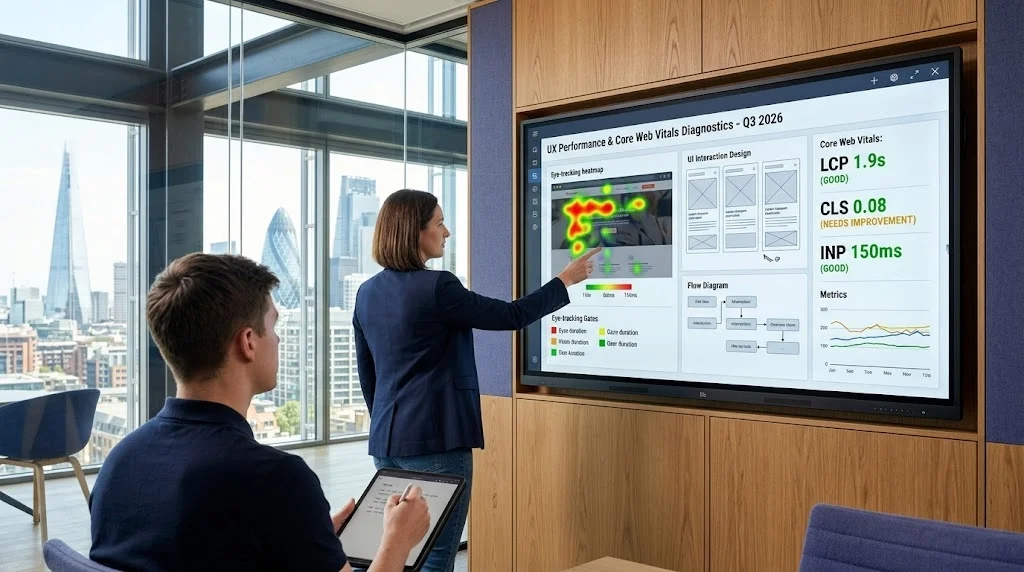
Zero-Latency Interactions and INP: If a user attempts to interact with your "Request a Quote" module or your window style configurator and the browser freezes, your Interaction to Next Paint (INP) score plummets. Google penalizes this heavily. We eliminate main-thread blocking by utilizing advanced JavaScript yielding, ensuring that every digital interaction on your platform responds in under 200 milliseconds.
Frictionless Warranty Verification: Your insurance-backed guarantees and deposit protection schemes must be front and center. We engineer persistent, globally visible trust badges that remain in the viewport across all devices, ensuring that procurement managers and homeowners are constantly reminded of your financial and structural reliability.
Static-Site Security: By utilizing a decoupled, pre-compiled static site architecture, we remove the vulnerabilities inherent in legacy CMS platforms. Your site operates without a directly exposed database, rendering it virtually immune to standard digital attacks and maximizing your algorithmic trust evaluation.
The Engineering Standard for 2026
Relying on a visually outdated, slow, and structurally thin digital brochure is no longer a viable business strategy in the window installation sector. The modern client demands absolute proof of thermal efficiency, flawless aesthetics, and regulatory compliance before they will ever request a survey.
Your web platform must be engineered to match the precision of the glazing systems you install. It must be highly structured, incredibly fast, and saturated with verifiable EEAT signals. If your current digital infrastructure is holding back your commercial growth, it is time to upgrade to an enterprise-grade digital asset.