
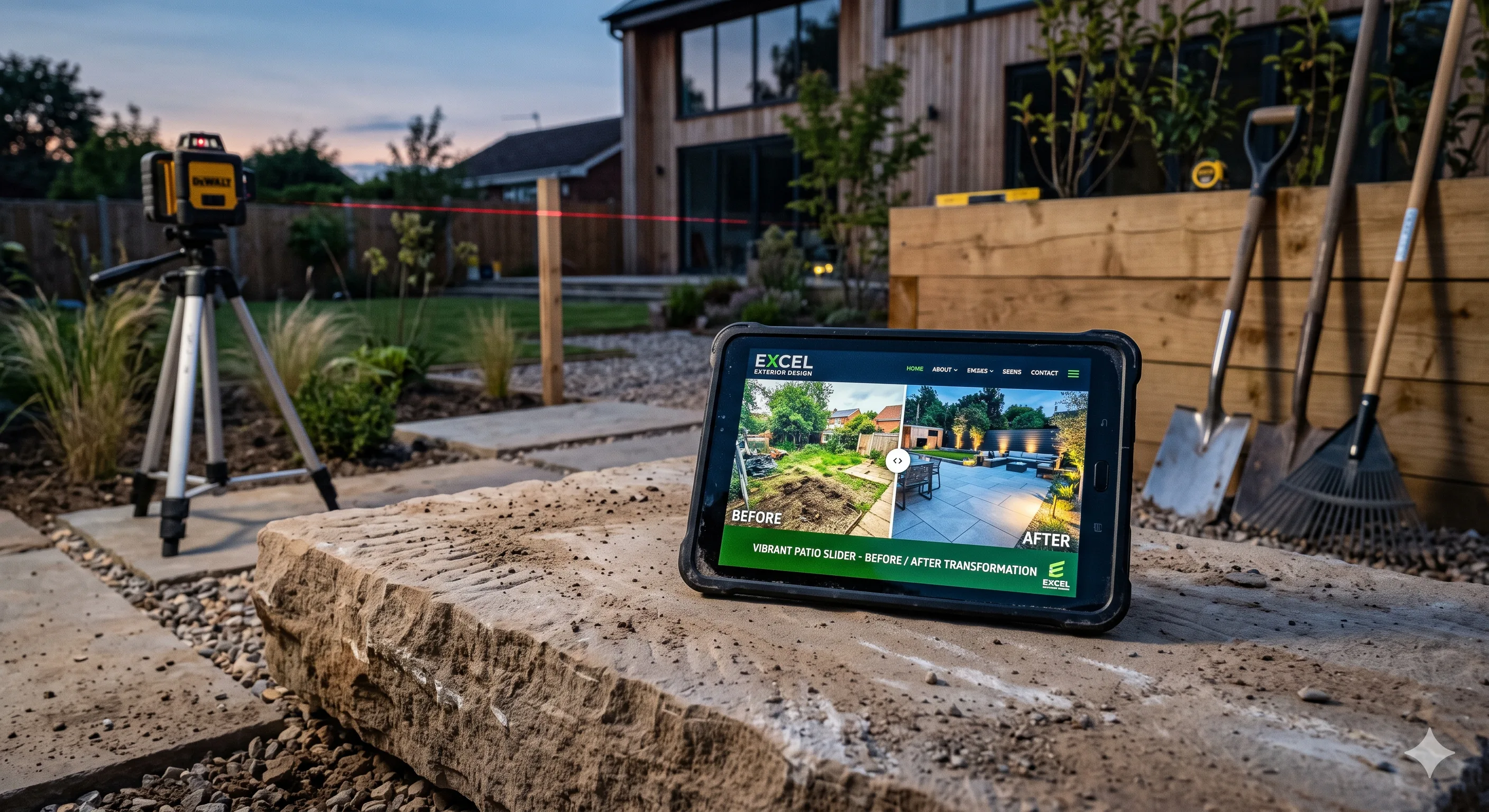
If you are running a high-end exterior design or landscaping firm, your digital presence is likely sabotaging your highest-value contracts. Over my twenty years in full-stack web development and technical SEO, I have audited hundreds of contracting sites. Landscaping businesses consistently fall into the exact same technical trap: relying on image-heavy, bloated legacy platforms that fail modern performance metrics.
Following the massive Google May 2026 Core Algorithm Update, the search engine heavily refined its systems to surface results that are genuinely useful, fast, and technically sound. If a homeowner looking for a £50,000 garden redesign clicks on your site and the page stutters while loading a massive portfolio gallery, Google will actively suppress your ranking.
When analyzing the technical requirements for websites for landscapers, we must shift the focus from basic brochure layouts to highly engineered, autonomous conversion systems. Here is the blueprint for dominating local search in the exterior design sector.
Surviving the Interaction to Next Paint (INP) Crisis
Landscaping websites are inherently interactive. You want potential clients to swipe through before-and-after sliders of driveway installations or filter through your patio materials gallery. However, in 2026, Interaction to Next Paint (INP) remains the most difficult Core Web Vital to pass, with roughly 40% of mobile origins still failing the assessment.
If your site relies on off-the-shelf WordPress slider plugins, those heavy JavaScript files are blocking the browser's main thread. When a user taps an image on their phone, the browser cannot paint the next frame until that bloated script finishes running. Google mandates that this response must happen in under 200 milliseconds.
As full-stack developers, we engineer our way out of this INP bottleneck. We avoid heavy third-party scripts. Instead, we implement aggressive code-splitting and utilize modern JavaScript yielding techniques, breaking up long tasks into smaller asynchronous processes. This ensures that when a user interacts with your case studies and project work, the UI responds instantaneously, passing Google's field tests flawlessly.
The Headless Image Pipeline for Exterior Portfolios
You cannot sell a premium landscape transformation with compressed, pixelated JPEGs. You need high-definition visual assets. But uploading unoptimized 8MB images will cause your Largest Contentful Paint (LCP) to skyrocket past the strict 2.5-second threshold.
We solve this fundamental conflict by deploying decoupled, headless architecture. We intercept your high-resolution site photography and run it through an automated edge-computing pipeline. Every image is automatically converted into next-generation AVIF formats and resized precisely for the user's specific device screen before being served from a global content delivery network.
This means your high-ticket exterior design portfolio loads in milliseconds, regardless of how many photos you display. You can dive deeper into how we construct these high-performance asset pipelines in our detailed technical workflow process.
Entity SEO: Mapping Your Service Radius
Landscaping is a hyper-local trade. Simply writing "Landscapers in Kent" on your homepage is a legacy tactic that the May 2026 update systematically devalued. The algorithm now requires deep entity mapping to understand your specific service area and expertise.
We must inject precise JSON-LD schema markup into your codebase. If you offer specialized services like resin-bound driveways or custom pergolas, we wrap those specific service pages in local business and service schema, mapping exact geographic coordinates and linking directly to your verified Google Business Profile. We also implement FAQ schema to address specific localized intent, ensuring your site becomes eligible for AI Overviews.
We architect these semantic relationships into all of our specialized web services, ensuring search engines view your domain as the definitive local authority on exterior construction.
Converting Traffic into High-Ticket Contracts
A fast website that ranks at the top of Google is only half the battle. The architecture must actively funnel that high-intent traffic into qualified leads. This requires frictionless lead capture forms that do not suffer from layout thrashing—a common issue where forms jump around the screen as document object model elements load.
Your intake funnel must feel premium, guiding the user seamlessly from their initial search query to a completed consultation request. If your current platform is bleeding organic traffic and failing modern technical audits, it is time to upgrade. Speak with our technical engineering team to begin your digital infrastructure overhaul.