
Operating a heating and gas engineering enterprise in the UK requires navigating strict regulatory frameworks, rigorous safety compliance, and highly volatile seasonal demand. Following the latest updates to the Gas Safety (Installation and Use) Regulations and the relentless refinement of search engine core algorithms, the digital landscape for heating professionals has fundamentally changed. The era of the static, low-cost digital business card is officially over.
When a homeowner experiences a catastrophic boiler failure in mid-winter, or a commercial site manager needs to verify commercial catering gas compliance, they perform rapid, high-intent digital due diligence. They are not merely looking for a phone number; they are searching for a verified, authoritative entity that guarantees immediate physical safety and legal compliance.
Google’s search evaluation systems explicitly prioritize deep EEAT (Experience, Expertise, Authoritativeness, and Trustworthiness). If your platform fails to programmatically communicate your technical compliance, your business is invisible to high-value contract opportunities. This technical blueprint breaks down how to engineer high-performance websites for gas engineers that leverage strict regulatory verification and zero-latency architecture to dominate local organic search.
1. Programmatic Gas Safe Verification Infrastructure
Trustworthiness and Authoritativeness are non-negotiable when dealing with combustible gases. Google's quality rater systems are highly sophisticated; they cross-reference domain claims with external, authoritative registries. If your platform claims compliance but hides your credentials in unstructured text, search crawlers cannot programmatically validate your authority.
We solve this validation gap by embedding explicit regulatory data directly into the core codebase of your platform:
Dynamic Registration Schema: We utilize advanced JSON-LD structured data to inject your official Gas Safe Register number, company registration details, and specific sub-tier tokens directly into the backend metadata. This allows search engine crawlers to instantly verify your legal authorization to work on gas appliances.
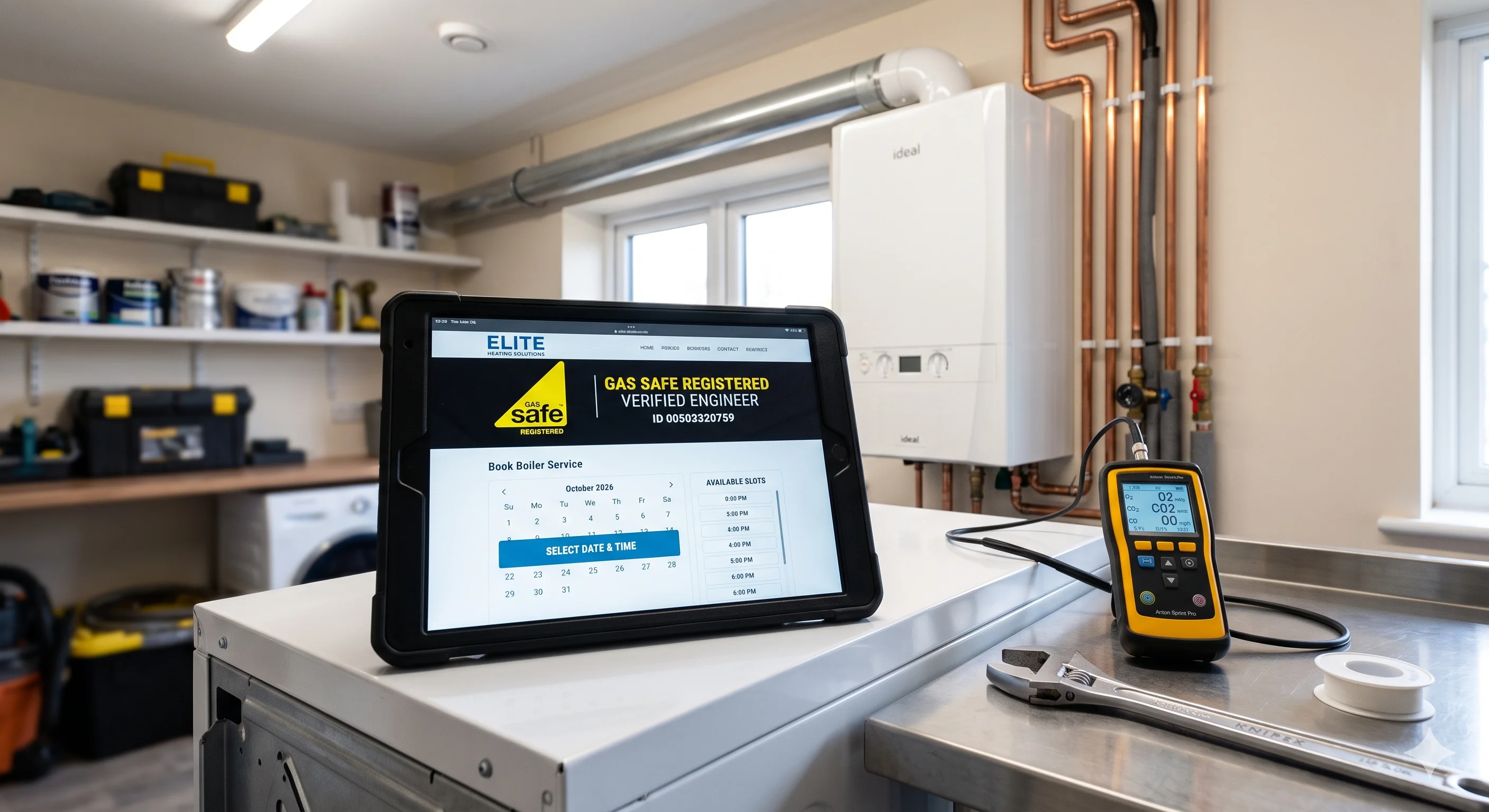
Persistent Credential Headers: Rather than burying the Gas Safe logo on a standard contact page, we hardcode verified license badges directly into the global, sticky header component of the user interface. This ensures that every visitor, whether arriving via a deep-linked blog post or a localized landing page, receives immediate visual and technical confirmation of your compliance.
Accredited Manufacturer Silos: If your engineers are factory-trained or approved installers for premium boiler brands like Worcester Bosch, Vaillant, or Baxi, we build dedicated architectural branches for these partnerships. We pass trust signals directly from those globally recognized manufacturing entities into your local domain.
2. Zero-Latency Infrastructure for Rapid Emergency Bookings
For gas engineers, emergency call-outs are high-margin, critical conversion drivers. When a customer searches for "emergency gas leak engineer near me" or "boiler breakdown repair," they are under intense stress. If your page takes more than two seconds to load, or if the interface stutters on a mobile device, the user will immediately bounce back to the search results page.
In the modern search environment, Google rigorously tracks Interaction to Next Paint (INP)—a metric evaluating how fast a site responds to a user's tap or click. Legacy platforms like WordPress frequently fail this test due to bloated, third-party plugin scripts blocking the browser's main thread.
To achieve elite performance, we build using decoupled, headless web frameworks. By separating the public-facing front end from the backend database, we eliminate server-side processing delays. Emergency landing pages are pre-compiled and served via a global edge network, delivering an instantaneous initial load time.
Furthermore, we optimize the mobile intake interface by implementing custom, lightweight click-to-call communication protocols. By reducing main-thread script execution to zero during the critical initial viewport render, your emergency intake elements become responsive in milliseconds, securing the lead before your competitors' websites can finish loading.
3. Designing Comprehensive Service and Compliance Silos
A common mistake on trade websites is grouping all capabilities onto a single "Services" page. This flat architectural structure damages your topical authority. To rank for high-value residential installations and commercial service contracts, your content must be segmented into mathematically precise service silos.
Each specific trade service must have its own isolated URL structure, optimized for both user navigation and programmatic indexing:
Service Category | Core Content Focus | Advanced Technical Schema |
Boiler Installations | Focuses on energy efficiency metrics, ErP ratings, and system conversions (e.g., system-to-combi upgrades). | Product Schema + Aggregate Offer Data |
Landlord Gas Safety Certificates | Explains legal obligations under CP12 regulations, testing procedures, and digital document delivery. | Service Schema + Localized Radius Scope |
Powerflushing & System Maintenance | Details chemical clearance, magnetic filtration additions, and system efficiency restoration metrics. | FAQ Schema + Structural Step Arrays |
Commercial Gas Contracting | Targets asset managers, focusing on plant rooms, non-domestic testing, and purging procedures. | Corporate Business Entity Schema |
By constructing these isolated nodes, we ensure that internal page equity flows cleanly throughout the site, signaling to search engines that your domain possesses highly specialized, granular expertise across the entire electromechanical and gas landscape.
4. Securing the Conversion Funnel
High-end domestic boiler replacements and long-term commercial servicing agreements involve significant financial investments. A website that suffers from broken layout shifting, unsecure forms, or slow performance signals a fundamental lack of operational precision. In a high-risk sector like gas engineering, technical friction equals a loss of business.
By transitioning your digital infrastructure to a fast, pre-compiled static system, you remove database vulnerabilities entirely. Your platform becomes immune to standard malware and injection attacks, maximizing both data security for your clients and algorithmic trust from search networks.
Stop letting outdated, slow-loading templates intercept your high-value local contracts. If you are ready to construct a digital asset that matches the precision and safety standards of your physical engineering, explore our comprehensive web development systems or review our technical engineering workflows. To transform your local digital presence, contact our engineering team today to schedule a code and SEO audit.