
In the construction sector, the stakes are exponentially higher than in standard domestic trades. You are not competing for a two-hour repair job; you are tendering for multi-month extensions, full new-build developments, and lucrative commercial contracts. When a property developer or a high-net-worth client is preparing to invest hundreds of thousands of pounds into a project, they perform rigorous due diligence.
If they search for your construction firm and find a slow, unsecure, visually broken website that looks like it was built a decade ago, you will lose the tender before you even get the chance to quote.
In my twenty years of engineering digital platforms and reverse-engineering search algorithms, I have seen countless skilled builders lose out to inferior competitors simply because their digital infrastructure lacked authority. To secure top-tier contracts in 2026, your digital presence must be as structurally sound and meticulously planned as the physical buildings you construct. Here is the technical blueprint for developing high-performance websites for builders that dominate the search grid.
Architecting Multi-Stage Project Portfolios
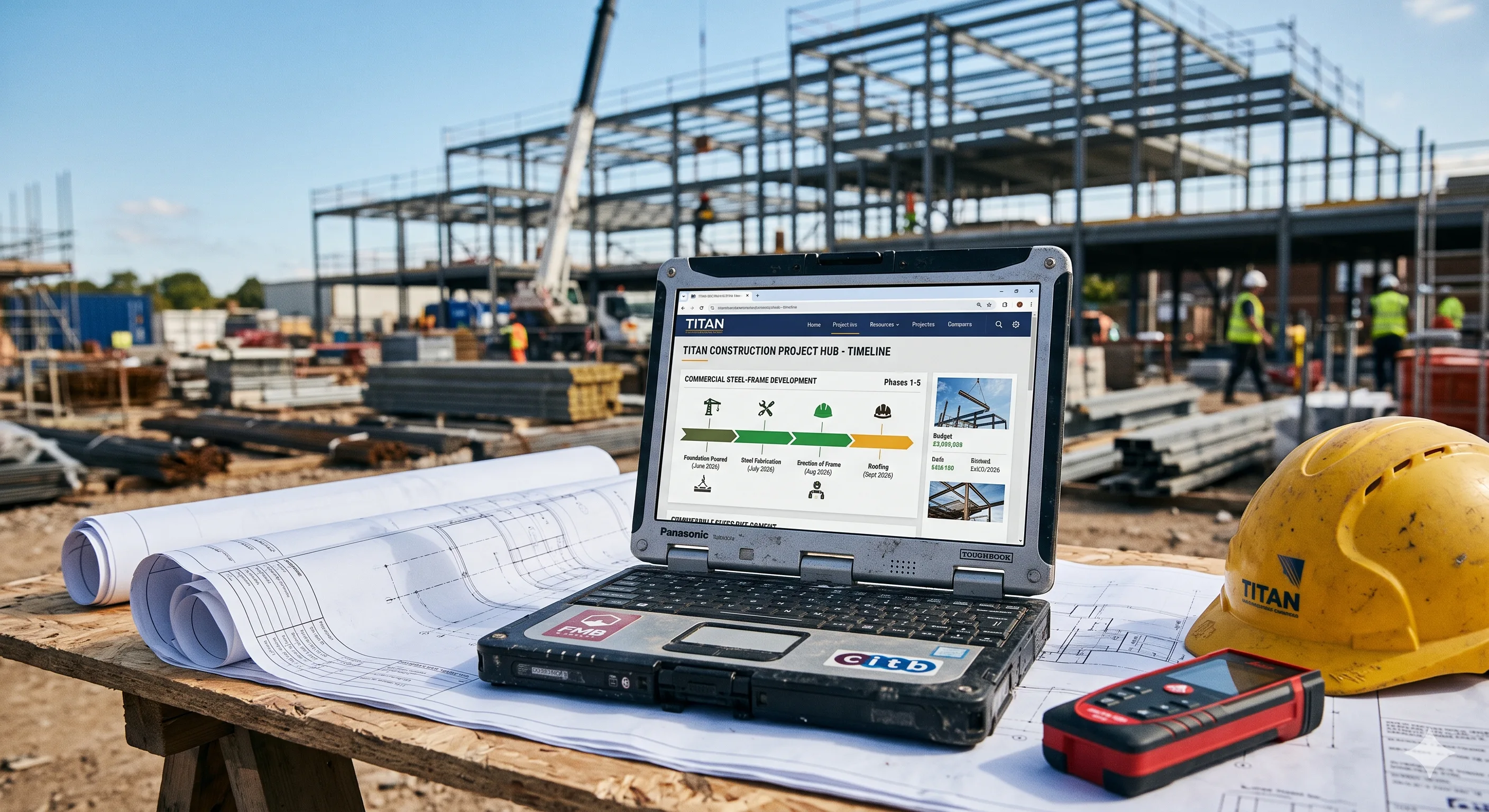
A single photo of a finished house does not sell a construction contract. Clients want to see the process. They want to see the groundworks, the structural steel installations, the brickwork, and the final architectural finish. They need to understand your project management capabilities.
The technical challenge is that displaying comprehensive, multi-stage project timelines requires loading dozens of high-resolution images and potentially heavy video elements on a single page. On a standard, legacy content management system, this massive data payload will crash your loading speeds, causing your Largest Contentful Paint (LCP) to fail Google's strict 2.0-second threshold.
We solve this through aggressive lazy-loading algorithms and Document Object Model (DOM) virtualization. Instead of forcing the browser to download all fifty project images at once, our architecture only loads the specific images entering the user's viewport. As they scroll down through the timeline of the build, the next assets are seamlessly fetched in the background. This keeps the initial page load instantaneous while allowing you to showcase immense, detailed case studies. We utilize this exact methodology across our specialized web services.
Headless Infrastructure for Heavy Asset Delivery
Construction websites often need to host heavy, downloadable assets. Commercial clients may need to download your comprehensive Health and Safety policies, your CHAS or SMAS accreditations, site insurance certificates, and structural methodology statements.
If these PDFs and documents are stored on a cheap, shared hosting server, the download latency will reflect poorly on your business operations.
By migrating to a decoupled, headless web architecture, we strip away these server bottlenecks. We host your frontend code on a global edge network, while your heavy documents and visual assets are served through a dedicated, hyper-fast Content Delivery Network (CDN). The moment a procurement manager clicks to download your compliance packet, it is delivered instantly from a server geographically closest to them. You can read more about how we deploy these robust infrastructures in our development process.
Entity SEO: Schema Injection for the Built Environment
Ranking a construction firm in 2026 requires more than simply listing your services. Google evaluates your domain as a semantic entity within a specific geographical radius. To dominate the local map pack and organic results, you must feed the algorithm explicit, structured data.
Project Schema: We do not just build a portfolio; we inject strict JSON-LD schema into every case study. We define the project type, the exact location coordinates, the duration of the build, and the specific materials used.
Accreditation Mapping: We use structured data to explicitly define your industry credentials. Whether you are NHBC registered, Federation of Master Builders approved, or CHAS accredited, we ensure Google’s crawlers can mathematically verify these trust signals.
Comprehensive Service Silos: We segment your offerings into dedicated structural hubs. New Builds, Commercial Fit-Outs, Heritage Restorations, and Structural Extensions all receive isolated architectural branches, interlinked to pass maximum domain authority.
This meticulous semantic engineering is visible across our entire portfolio of high-performance applications.
Establishing Digital Trust
In the building trade, trust is your most valuable commodity. A client needs to know you will not abandon the site, cut corners on materials, or fail building control inspections. Your website is the first place they look to verify that trust.
A fast, highly structured, technically flawless digital platform subconsciously signals that your physical building practices are equally rigorous. A broken, slow website signals disorganized management.
Stop letting inferior builders win the high-value tenders in your region. If you are ready to construct a digital asset that actively generates premium leads and passes strict technical audits, speak directly with our engineering team to begin your site overhaul.